
Video
Jordan Flowers and Rep. Eric Burlison on Dr. Phil: Inside the UFO Files
October 15, 2026
Executive Director Jordan Flowers joins Rep. Eric Burlison and Dr. Phil to discuss UAP records, congressional oversight, whistleblower protections, and disclosure preparedness.
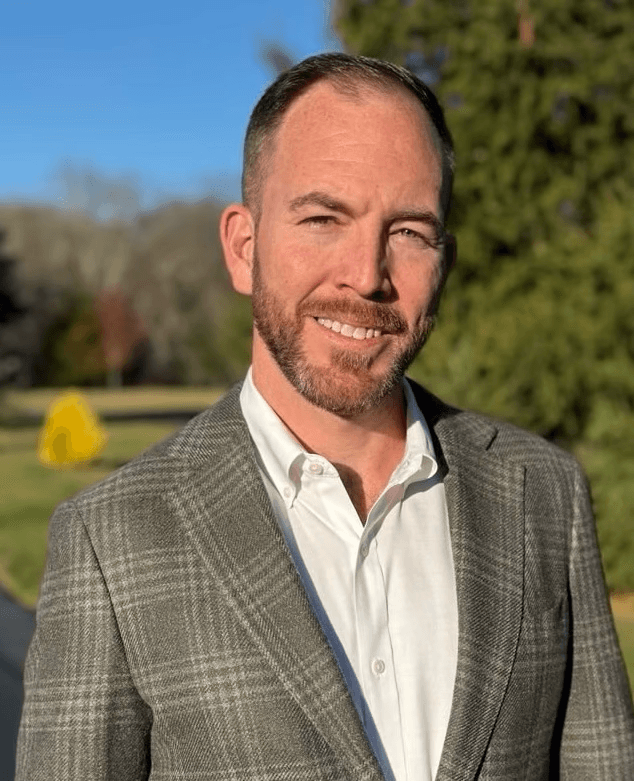
Jordan Flowers
Executive Director
Disclosure Foundation Executive Director Jordan Flowers joined Representative Eric Burlison on The Dr. Phil Podcast for an extended conversation about government records on unidentified anomalous phenomena, congressional oversight, and the next steps toward greater transparency. The interview brings together Burlison's account of congressional briefings and Flowers's work examining the public record and developing policy recommendations.
What the released records can tell us
Much of the conversation focused on a reported late-2025 incident at a western military installation and claims that certain activity at the site attracted UAP. Burlison described a briefing at the Office of the Director of National Intelligence and accounts of unusual objects observed by government personnel. He cautioned that the reported ability to attract these objects should not be understood as a reliable, on-demand capability.
Flowers discussed an FBI interview report and other material included in the public PURSUE releases, while calling for additional video, sensor data, and context. He said the Foundation is pursuing records requests to better understand the briefing and the events described. The location and the precise nature of the reported activity remain unresolved in the public account discussed during the interview.
Dr. Phil pressed both guests on the distinction between reports, interpretations, and direct physical proof. Neither guest said he had personally examined a recovered craft or non-human biological material. Both argued that witness accounts and government records warrant serious investigation, while acknowledging that major questions remain unanswered.
Congressional oversight and access to records
Burlison described the difficulty of obtaining information across agencies, classified programs, and contractors. Flowers raised a related problem: information brought to one government office does not necessarily reach the other officials who need it. He described the Foundation's work with congressional partners to move information through those channels and support its release.
The discussion also addressed federally funded research and development centers (FFRDCs). Flowers explained the Foundation's position that the legal requirement to collect government-funded UAP records extends to records held by these research centers. Policy Brief No. 7 sets out that argument and recommends steps to identify and transfer covered records to the National Archives.
Practical steps toward greater transparency
Asked what could move the process forward, Flowers outlined three priorities: broaden the nondisclosure-agreement waiver to cover the intelligence community, major defense contractors, and FFRDCs; produce a National Intelligence Estimate on UAP; and establish a whistleblower restitution fund.
Flowers argued that an interagency intelligence assessment would help move the public discussion beyond individual videos released without enough supporting data for scientific analysis. A coordinated assessment, he said, should address what the government can conclude from the information it holds.
The guests also discussed why protection from prosecution alone may not persuade people to come forward. Flowers emphasized the financial and professional consequences whistleblowers can face, including the loss of security clearances and employment. Burlison described his office's offer to help individuals navigate the disclosure process with congressional oversight. Their shared concern was that people who provide information need practical support as well as legal protections.
Preparing for the human consequences
The conversation closed with the need to prepare for how people might respond to significant new information about UAP. Dr. Phil emphasized coordination among government, mental health professionals, and community institutions, including support for those who could find such information unsettling.
Flowers pointed to the Foundation's polling on public demand for transparency and discussed working with advisory board member Dr. Jennice Vilhauer on preparedness. The Foundation's research on the psychological impact of UAP/NHI disclosure and Policy Brief No. 6 examine these questions and recommend a national preparedness framework.
Across the interview, Flowers and Burlison called for fuller records, meaningful oversight, and a process that allows scientists, lawmakers, and the public to evaluate the information for themselves.
Watch the full interview on The Dr. Phil Podcast's YouTube channel.