
Video
Christopher Mellon on Dr. Phil: What We Know and What Happens Next
July 15, 2026
Christopher Mellon and Bryce Zabel join Dr. Phil to discuss recent UAP releases, missing sensor data, government transparency, and preparation for the human consequences of disclosure.
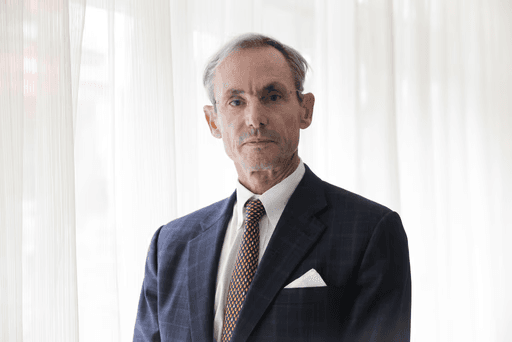
Christopher K. Mellon
Chairman of the Board
Christopher Mellon and author Bryce Zabel joined Dr. Phil for a conversation about recent government UAP releases, the limits of the available data, and how the public might respond if stronger evidence becomes available. Mellon is a former Deputy Assistant Secretary of Defense for Intelligence and serves as Chairman of the Board of the Disclosure Foundation.
Mellon welcomed the release of additional records while noting that many videos lack the measurements scientists need to evaluate them. Distance, time, acceleration, and supporting sensor data can determine whether an object's reported movement is genuinely anomalous. He also called for the intelligence community to make a formal assessment using its own analytic standards.
The guests discussed the historical record, including the UAP videos Mellon helped bring to public attention in 2017. Mellon said those incidents remain unresolved and that, in his assessment, some reported capabilities cannot be explained by known American, Russian, or Chinese technology. The discussion presented that conclusion as Mellon's judgment, not as a finding established by the newly released files.
The conversation also addressed the human consequences of disclosure. Mellon discussed research commissioned by the Disclosure Foundation indicating that most people would adapt, while a smaller portion of the population could need support. The Foundation's research report on the psychological impact of UAP/NHI disclosure examines those potential responses. Policy Brief No. 6 offers recommendations for government preparation.
Mellon described the federal response as divided across agencies and programs. He pointed to categories of information that have not appeared in public releases, including satellite imagery, space surveillance records, and data from strategic radar systems. He also discussed allegations involving recovered materials and private contractors, while acknowledging that public confirmation and an independently verifiable chain of custody remain absent.
The interview concluded with a discussion of transparency, public trust, and the need for careful communication. Dr. Phil argued that the public should receive accurate information with enough context to evaluate it. Mellon and Zabel emphasized continued scientific analysis and a public process that distinguishes unresolved observations from confirmed conclusions about their origin.