
Video
Christopher Mellon on Unveiled: Classified UAP Evidence and Disclosure
July 14, 2026
Christopher Mellon joins Unveiled to discuss public and classified UAP records, sensor data, declassification, the Disclosure Forum, and whistleblower protections.
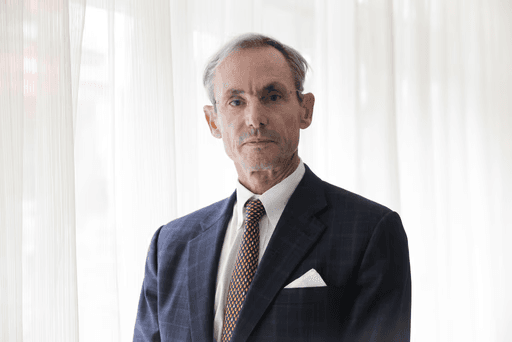
Christopher K. Mellon
Chairman of the Board
Christopher Mellon joined Unveiled for a wide-ranging conversation about UAP records, declassification, government oversight, and the work still needed to give scientists useful data. Mellon is a former Deputy Assistant Secretary of Defense for Intelligence and serves as Chairman of the Board of the Disclosure Foundation.
Mellon discussed the public cases that have shaped his assessment of UAP, including the 2004 Nimitz encounters and reports involving military personnel and multiple sensor systems. He said the cumulative historical record is important because many incidents predate the technology of the United States and its adversaries. He also said classified information supports his assessment, though much of that material remains unavailable for public review.
The interview returned repeatedly to the limits of recent government releases. Images and videos without distance, time, or supporting sensor measurements are difficult for scientists to evaluate. Mellon argued that agencies should release more context while protecting the technical details of military and intelligence systems. He also called for a clear standard that would identify when observed behavior exceeds known human capabilities.
Mellon described the current release process as fragmented rather than part of a coordinated disclosure plan. In his account, officials are responding to presidential direction while working through classification rules, limited staffing, and resistance inside parts of the government. He said the Disclosure Foundation is working with members of Congress, administration officials, and potential whistleblowers to support the lawful release of additional records.
The conversation also covered Disclosure Forum 2026. Mellon said the Forum examined how disclosure could affect society, including its psychological, religious, economic, and technological consequences. He discussed the Foundation's public opinion research and the need to prepare mental health resources for the smaller share of the population that may have difficulty adapting to major new information.
Mellon closed by discussing whistleblower protections and reports of unexplained activity near military facilities. He recounted an unverified report from law enforcement officers who described smaller objects entering a larger object before it departed at high speed. Mellon presented the account as one case requiring further investigation, not as independently confirmed evidence of its origin.