
Video
NBC News: Catching Up with Whistleblowers on Secret Government UFO Programs
June 26, 2026
NBC News correspondent Gadi Schwartz reports from the Disclosure Forum and speaks with Leslie Kean, Luis Elizondo, and Christopher Mellon about UAP transparency, declassified records, and the modern disclosure movement.
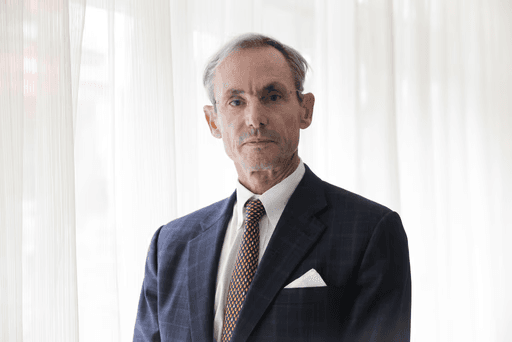
Christopher K. Mellon
Chairman of the Board
NBC News correspondent Gadi Schwartz reported from Washington, D.C. following the Disclosure Forum 2026 national security panel, which he moderated in the Kennedy Caucus Room of the Russell Senate Office Building. The segment captured the central message from the day: unidentified anomalous phenomena are being treated seriously by lawmakers, national security professionals, journalists, and former government officials, even as major questions remain unresolved.
The report includes moments from the national security discussion, including references to recurring UAP incidents near sensitive military areas, alleged radar interference, and reports of anomalous health effects. Participants emphasized that the issue remains unsettled, but that the public record has expanded substantially through declassified documents, official videos, and congressional attention.
Revisiting the 2017 Disclosure Story
Schwartz also sat down with three figures closely associated with the modern public UAP disclosure movement: journalist Leslie Kean, former Pentagon official Luis Elizondo, and former Deputy Assistant Secretary of Defense for Intelligence Christopher Mellon. Their work helped bring public attention to the Pentagon's secret UAP-related programs through the 2017 New York Times reporting that reshaped the national conversation.
In the conversation, the group reflected on how far the issue has moved since that first reporting. Elizondo described the early period as frightening and said the public now has thousands of pages of declassified reports and a growing body of video to examine. Mellon said that some individuals may have direct experience that gives them first hand insight, while the larger institutional question is whether government agencies have been able to process and acknowledge the information they hold.
The Data Question
The segment returned repeatedly to the question of evidence quality. Elizondo said there are efforts underway to compel agencies to strip sensitive metadata from videos and release more of what certain officials have already seen. Kean noted that the more sophisticated or compelling a video is, the harder it can be to declassify.
The report also touched on NASA material released through recent government file drops, including Apollo-era photographs and audio records that renewed questions about what additional historical records may exist. The discussion did not present those materials as a final answer. Instead, it underscored the need for better data, clearer context, and a more serious public process for reviewing official records.
Why the Segment Matters
The NBC News segment matters because it connects three strands of the current public conversation: the Disclosure Forum's national security discussion, the journalists and officials who helped bring the issue into the mainstream, and the continuing demand for higher quality evidence from government agencies.
No one in the segment claims the issue is resolved. The through line is more modest and more important: the public record is growing, the government has more information than has been released, and the next phase of disclosure will depend on whether agencies provide data that scientists, Congress, and the public can actually evaluate.